Once upon a basant
It’s that time of the year again when the frosty blues and grays enveloping start to disappear and in their place awakens a plethora of colours, fresh and vibrant as if after a long hibernation. As if by magic, people’s spirits start to soar and life starts looking more – excuse the pun – ‘sunny’. This reminds me of the time when I was growing up – when as soon as the flowers started appearing, so did kites all over the sky, with people getting ready for the much awaited Basant festival. I loved everything about Basant when I was a kid. My ...
Read Full PostSights and sounds at the Karachi Literature Festival
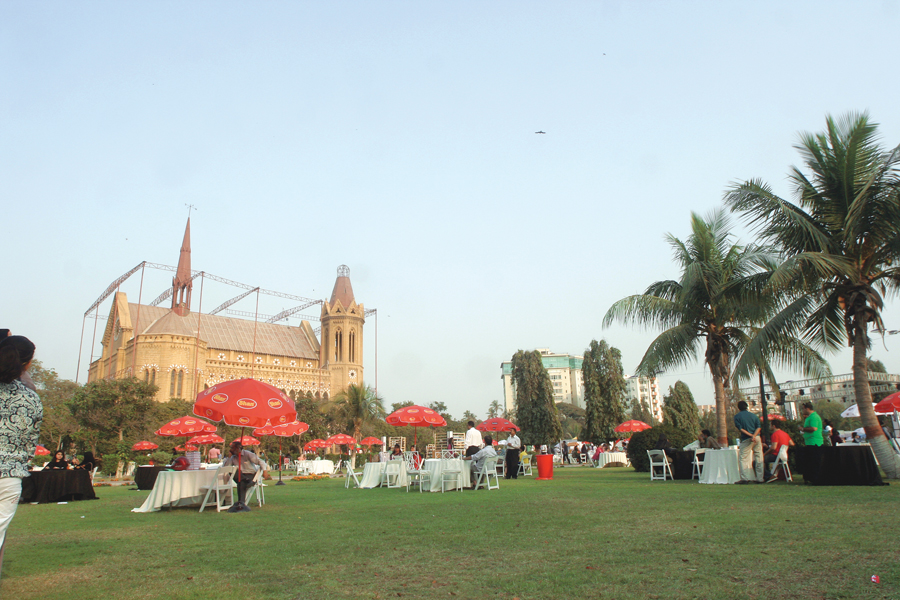
Foreign correspondents like conjuring the “books, not bombs” angle to justify the expense of flying down to Karachi to hear a bunch of people talk about politics and their books (in that order). But at this year’s Karachi Literature Festival there were bombs everywhere. Pervez Hoodbhoy led a discussion on bombs of the nuclear kind, Ayesha Siddiqa lobbed a few verbal bombs in Anatol Lieven’s direction for not nursing sufficient hatred for the Pakistan Army while Mohammed Hanif even dropped the deadliest bomb of all: the F-bomb. I began my annual pilgrimage to the Karachi Literature Festival by making a mental ...
Read Full PostJaipur Literature Festival: Prisoner of a palace
An outsider who has never been part of the Jaipur Literature Festival wonders what goes on for four days in the Diggi Palace, a 16th century palace owned by one of the descendants of some nondescript feudal lords. The day starts with four different sessions on varied issues running parallel in four different venues, aptly named Mughal Durbar, Mughal Tent and so on. Before lunch, three such sessions are held and writers interact with moderator and audience. The same continues after the elaborate rich Rajasthani lunch and it ends at 6.30 pm. Then, the music session starts and soon after, the bar and ...
Read Full PostA new year in the land of Hitachi
The beginning of a new year in the land of the rising sun was a very memorable experience for me. I learned a lot about Japanese culture when I spent my first new year away from my homeland here. Like the fact that Hitachi is defined by many Japanese people as the ‘rising sun’, where hi means ‘sun’ and tachi means ‘to rise’. December 31 and January 1 saw hordes of people on the streets, making their way to shrines, temples, and matsuris (festivals). On December 31, I made my way to Kyoto, the old capital of Japan. It is a small city full of ...
Read Full PostOf Shab-e-Barat fun
What a blessed festival our Shab-e-Barat is – or was. Let’s forget the bloodletting going on all around us for a while and the games people play around it and talk about the colourful lights associated with the festival – about its phuljharis (sparklers), mehtabis (flares), anars and patakhas (crackers). But today the Shab-e-Barat characterised by these fireworks is no more than a memory. It’s a sign of the times that the festivals that used to bring fun and happiness to Pakistani children are now so devoid of joy. What little remains, faces an imminent threat of an edict declaring it ...
Read Full PostKalash: What we can learn from the lost civilisation
My family and I were fortunate enough to spend a few nights among the extraordinary Kalash last summer. This unique tribe is tucked away in the isolated mountain valley of Bumberet, hidden from the rest of the world. Legend has it that 2,300 years ago, when Alexander the Great and his army were pushing deep into South Asia, on their way to India in 327 BC, some of his men remained in the villages of Chitral. As a result the Kalash tribe of roughly 3,500 today consider themselves direct descendants of the Macedonian king. We began our journey along the Chitral-Dir ...
Read Full PostA return to 80s-style Lahore
Last night I was supposed to attend a Sufi music festival organised by the good people of the Rafi-Peer group. I didn’t. Why? Because it didn’t take place. That seems to be the story of Lahori cultural life of late. I can remember when things began to change. To someone who came of age in the Post-Zia Pakistan during the early ‘90s, this country was a happening place to be in – almost. In 1989, when PTV tentatively shed its mandatory dupatta, a live concert featuring Pakistan’s premier pop/rock bands was aired and young people danced next to the catwalk style ...
Read Full PostLet’s be hopeful this Easter
Every Sunday I see a police van parked outside the church’s main gate. On special events, the authorities have to ensure the security guards are vigilant before we begin the mass. The scouts take care of the vehicles outside (although once my hand bag and other valuables were stolen from my car while we were praying at the church). At the entrance, a metal detector is installed and every person is subjected to frisking and manual checking in case of suspicion. We have to finish the mass early so we can reach home safely, avoiding any kinds of mishaps. Churches ...
Read Full PostBaisakhi fair: Thanking one God for His bounty
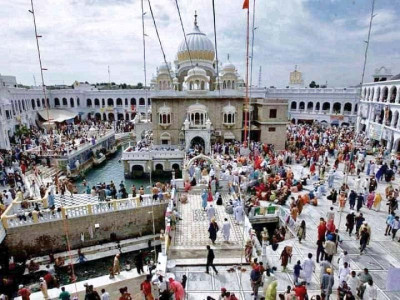
As a child, I attended the Baisakhi fair many times. The sound of the beat of the huge dhol echo in my memory. I can picture the ancient ‘well of death’. Visions of the bright circus and toy shops come flooding back to me. I can almost taste the unique sweetness of the jalaibis, and the spicy taste of pakoras. Last year I visited the fair after all these years and relived childhood memories. Looking back, I am amazed at the scale of the three-day festival marking the harvest time of the rabi (winter) crops. It is celebrated as a harvest festival by the large farming community in ...
Read Full PostThe truth behind the Basant ruling
The Basant prohibition has been explained officially in terms of foul play by kite flyers who use metallic wire or coat their twine with such preparations that it becomes fatal for the people in the streets who happen to get it on their throats. But the real reason is the clerics’ hatred of the festivity. They campaigned against it calling it a Hindu festival and a pagan ritual. The Muslims, they insisted, must be barred from it. It was on account of this campaign that the prohibition was proclaimed. Hindus revere and worship everything in nature. To them, the stars, the ...
Read Full Post